


Life on Sorokdo Island
With the heart of a mother, they didn't reveal
themselves unprejudicedly and served...
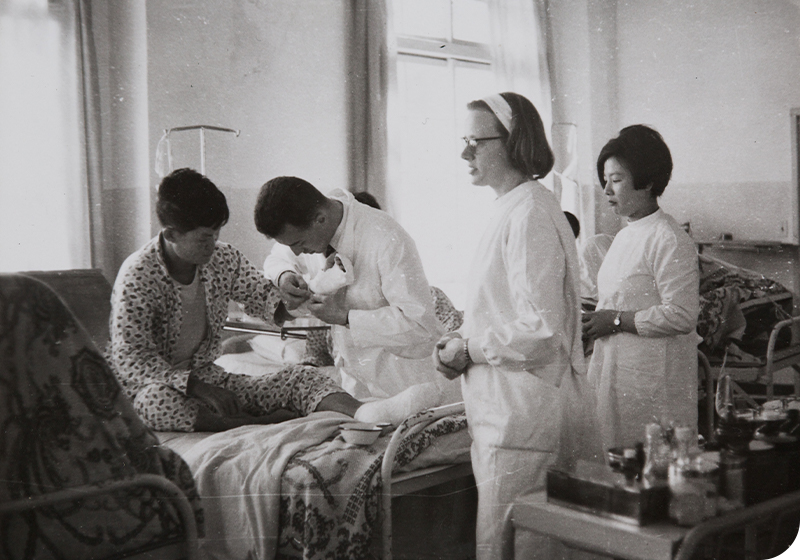
Hansen's disease was also known as teenage disease.
This is due to the fact that the early onset of leprosy occurred, in many cases at a young age. They desperately needed mother's love more than anyone else because they suffered the most at an age that was supposed to be loved by their parents, and both of them, Marianne and Margaret, took their place. The patients were also forced out of Sorok Island once they married and had children. When forced out of the hospital, living and settlement were necessary, and Marianne and Margaret provided financial support to everyone regardless of their religion, laying the foundation for Hansen patients to build a good family. This was done for more than 40 years until the day they left for Insbrook, Austria. They served as mothers to Hansen people truely.
'Official 'M residence' was a destination for all guests regardless of religion, including Cardinal Kim Soo-hwan, bishops, priests, nuns, pastors and monks.
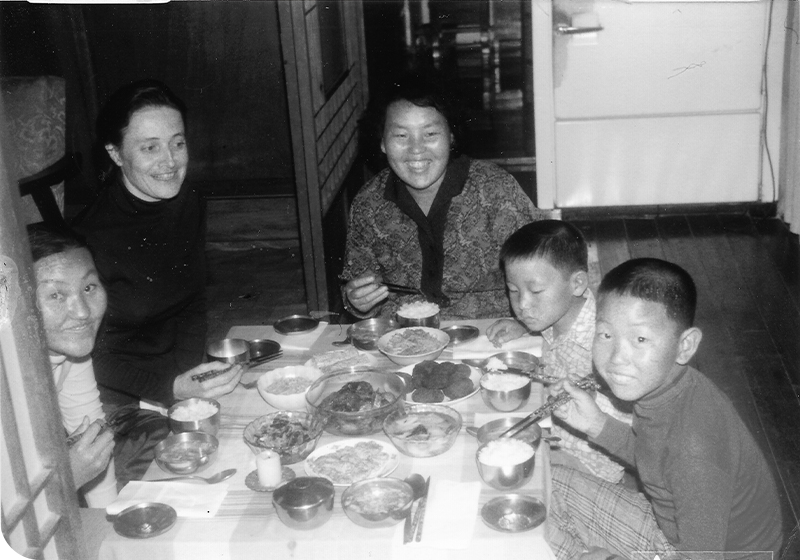
'They both tried to be as friendly and respectful as possible to anyone. Patients from the patients' zone were also invited to their homes frequently and on the seniors' birthdays, they baked bread themselves in the oven. It was like baking bread every day because there were about 200 people. 'On holidays to the staff and nurses, they delivered the cake and rejoiced together. However, all their lives were poor and frugal. Brooms that were broken were always taped, and when their clothes were worn down, the clothes of the dead were mended. However, for people, the steel safe in Marianne's room was always a magic box with money, and the sofa in the drawing room was a love cushion that accepted everyone without prejudice.
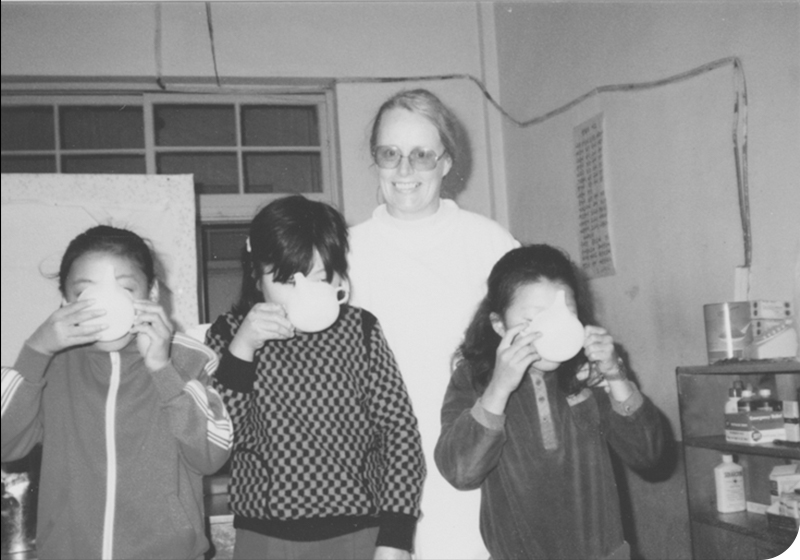
'It's their daily routine that lasted for more than 40 years.
'The two arrived at the children's room (later the M treatment room) at the hospital at around 5 a.m. and boiled water to make milk. They made warm milk and brought it to the elderly in the hospital room every dawn. After the prayer and the mass at Cathedral 2, they went to the M treatment room, the children's room. There, they gave milk to the elderly who came from the village and administered ramfren and alcohol to them. They also gave them the items requested by the elderly and nursing staff and talked while treating their wounds. While treating, they took good care of each individual and took care of them in advance of what they needed even if they did not ask for. If they seemed to be undernourished, they would bring warm portions of a meal to the pot so that they would not go to the nursing room until they healed after a month or two. However, they never met reporters covering their actions and hid thoroughly.
'At the first official press conference on Apr. 26, 2016, she said, "I thought I was really doing nothing special. I helped my patients, I liked them, and we had a great time at Sorokdo Island for 43 years. When I came here in 1962, this country was poor and lacked nurses. But I thought I didn't have to let people know because I was going because they were calling me." She said that what she did was extremely trivial, but strangely, it seemed special and overrated when the article was published, so it was burdensome.